NEURO-LITERACY STUDIO
Insights about Dyslexia
Practical insights on dyslexia, structured literacy, and supporting every learner to thrive.
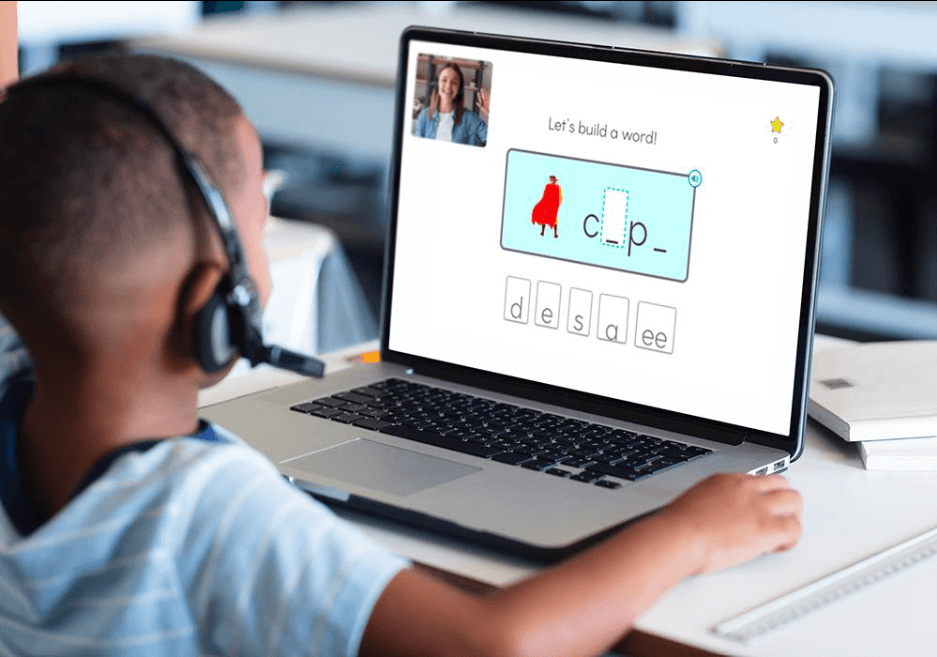
Many children with dyslexia become expert "word guessers" because they haven't been taught how written language really works. Structured literacy helps them become confident "word detectives" instead.
All Articles
When a child is finding reading hard, stories of people who have thrived can be a real comfort. According to Dyslexia Ireland, around one in ten people in Ireland has some form of dyslexia, and it affects people from every walk of life. It has nothing to do with intelligence.
If your child finds reading hard, you have probably wondered whether audiobooks and apps really help, or whether they are a shortcut. Used well, they help. Audiobooks let your child enjoy stories and build vocabulary while their reading skills develop, and good apps add extra practice. Neither replaces explicit, structured teaching in reading and spelling. Think of them as support that works alongside it.
Learning to read takes time, and every child develops at their own pace. However, when reading and spelling continue to feel unusually difficult despite regular teaching and practice, parents may begin to wonder whether something more is happening.
Your child is in Junior or Senior Infants, or maybe 1st class, and reading just isn’t clicking. Friends’ children are racing through readers while yours is still stumbling over the same words. Everyone says “they’ll catch up,” but a quiet voice in your head asks, what if it’s something more? It’s one of the most common worries parents bring us, and it’s a fair question. Children learn to read at very different speeds, and dyslexia is a different thing from a slow start. Telling them apart takes time and some careful watching, so here is how to go about it.
When people think about dyslexia, they often picture a young child struggling to recognise letters, sound out words or learn to read. While these difficulties can become noticeable during the early school years, dyslexia does not simply disappear when a child moves beyond primary school. For some children, literacy difficulties become more apparent as academic expectations increase. Others learn ways to cope with their challenges, making their difficulties less obvious to the people around them. Understanding this misconception is important because older children, teenagers and adults can still need appropriate literacy support.
Being a good teacher is not the same as being trained in dyslexia. Dyslexic learners usually need explicit, step-by-step instruction in how sounds, letters and words work, not extra practice with the same methods that haven’t worked.
Dyslexic individuals often excel in : Creativity Problem-solving Big picture thinking Storytelling & innovation
Dyslexia is not a deficit, it's a different wiring and a different way of learning. Let's replace misunderstanding with awareness and support.
One Child’s Reading Support Should Not Look Exactly Like Another Child’s Two children can both find reading difficult and still need two very different kinds of support, one child may struggle to blend sounds smoothly, another may read slowly and lose their place on the page. Another may read individual words accurately but find it difficult to understand what they have just read. That is why structured and individualised dyslexia support should not be based on a one-size-fits-all approach. At Lumina Neuro-literacy Studio, we believe children benefit from literacy support that takes their individual reading experience, strengths and areas of difficulty into account.
Dyslexia often reveals itself long before a child receives a formal diagnosis. Recognising the early signs can help families access the right support sooner and prevent years of unnecessary frustration.